◉
Computer vision
Detection, classification, segmentation, tracking and optical character recognition for images and video.
 SCOVION
We design, develop and deploy deep-learning solutions around your data, workflows and commercial objectives—from a focused algorithm to an integrated production system.
Off-the-shelf software cannot address every workflow. We begin with the decision, task or bottleneck that matters, then select the right deep-learning architecture, data strategy and deployment model. The result is a solution shaped around the environment where it must perform—not a demonstration that stops at the model.
Detection, classification, segmentation, tracking and optical character recognition for images and video.
Solutions that combine language, speech, vision and structured business information.
Models that reveal patterns, forecast outcomes and support better operational decisions.
APIs, edge computing, private deployment and workflow integration built for real operations.
Our Wuhan R&D department brings together algorithm development and engineering implementation. Working with our commercial and delivery teams, it supports technical feasibility assessment, data preparation, model training, application development, system integration and continuous optimisation.
Each engagement is organised around measurable business value, technical feasibility and a clear path into everyday use.
Map the workflow, users, constraints and success metrics before selecting technology.
Assess data quality, coverage, annotation needs, privacy boundaries and technical feasibility.
Train, validate and refine the deep-learning model against representative scenarios.
Connect the algorithm to interfaces, devices, platforms and operational workflows.
Monitor performance, support users and evolve the solution as conditions change.
The same development framework can be adapted to different industries, data types and operating environments.

A configurable virtual presenter can combine speech synthesis, language models, visual generation and broadcasting controls to deliver consistent live content. The solution can be adapted for commerce, product explanation, training or service briefings while retaining human review and brand governance.
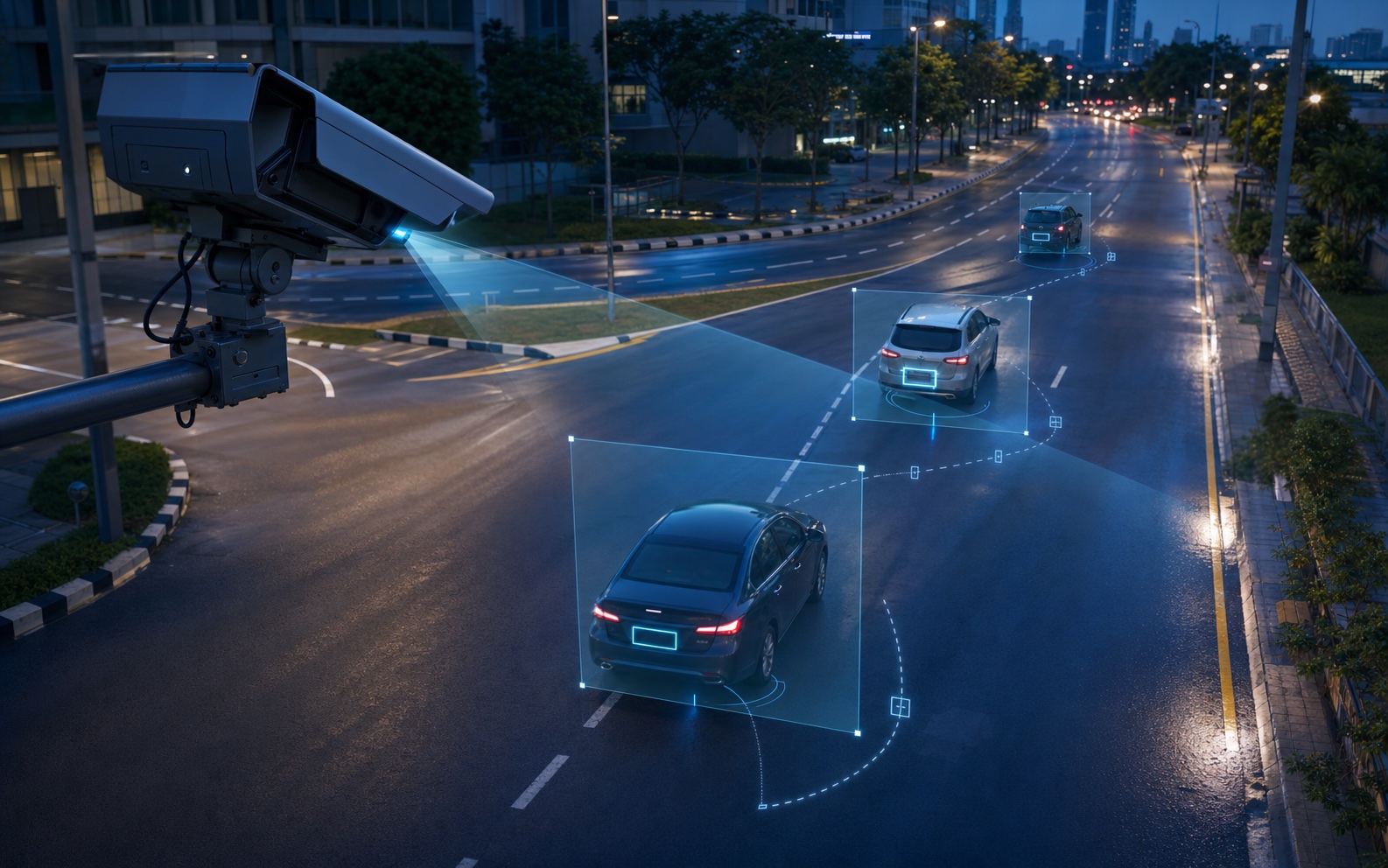
A vision pipeline can detect vehicles, locate plates, recognise characters and connect results with authorised systems. Models can be tuned for local plate formats, camera positions, lighting and weather, supporting parking, logistics, access control and road-management workflows.
We design the model together with the software and infrastructure around it, so performance, governance and user experience are considered as one system.
Collection, cleaning, annotation and governance
Training, validation and optimisation
APIs, edge inference and secure deployment
Interfaces, workflows and measurable actions
Success criteria are defined around business and operational outcomes, not model accuracy alone.
Access, privacy, retention and traceability are considered from the first design decision.
Critical decisions can retain review, escalation and override paths appropriate to the workflow.
Modular architecture makes it practical to expand features, data coverage and computing capacity.
Tell us about the workflow, data and outcome you want to improve. We will help define a practical next step.